


Tag Archives: poolside chaise

Hotel Outdoor Furniture Durability That Lasts

Hotel Outdoor Furniture Durability That Lasts

A hotel terrace can look immaculate on opening day and tired by mid-season if the furniture was selected for appearance alone. Hotel outdoor furniture durability is not simply about choosing the heaviest chair or the most expensive frame. It is about matching materials, construction, finishes, cushions, and layouts to the way guests actually use the space – repeatedly, often carelessly, and in weather that can change quickly.

For hotels, resorts, golf clubs, and restaurants, outdoor furniture is part of the guest experience and part of daily operations. A loose dining chair, faded chaise cushion, or peeling table base affects the impression of the property long before it reaches the maintenance schedule. The right specification protects both the design intent and the investment.

What Hotel Outdoor Furniture Durability Really Means

Durability in a hospitality setting has several layers. Furniture must support frequent use, tolerate cleaning, remain stable on varied surfaces, and continue to look appropriate after sun, rain, spills, sunscreen, and commercial handling. In Canada, it must also contend with freeze-thaw cycles, wind, prolonged moisture, and seasonal storage.

A frame can be structurally sound yet still be a poor hospitality choice if its finish chalks, its cushions retain water, or replacement components are difficult to source. Conversely, a well-specified collection can deliver many productive seasons because it has serviceable parts, commercial-grade finishes, and materials suited to its location.

This is why a hotel pool deck should not necessarily receive the same furniture as a covered rooftop lounge or a sheltered courtyard. Each area has its own exposure, traffic level, maintenance capacity, and visual requirements.

Start With the Frame Material

The frame is the foundation of hotel outdoor furniture durability, but the material decision should be made with the setting in mind rather than by price alone.

Powder-Coated Aluminum

Commercial-grade aluminum is often the most versatile option for hotel patios, pool decks, dining terraces, and rooftop spaces. It is relatively light for staff to move, does not rust like steel, and can be finished in a broad range of colours and textures. Quality matters greatly: look for substantial wall thickness, clean welds, properly prepared surfaces, and a high-performance powder coat.

Aluminum is particularly practical where furniture needs to be stacked, rearranged, or brought indoors regularly. It also works well beside pools, although chlorine residue should still be rinsed away as part of routine care. Lightweight pieces may require planning on exposed rooftops, where wind and guest movement can make stability a priority.

Cast Aluminum and Cast Metal

Cast aluminum offers visual presence and weight, making it a strong fit for traditional hotel gardens, club terraces, and permanent dining areas. Decorative forms, generous proportions, and substantial bases can create a more established look than slimmer contemporary aluminum profiles.

The trade-off is mobility. Heavy tables and chairs are less convenient for rapid resets, stacking, or seasonal relocation. They are best suited to areas where the layout is relatively fixed and staff do not need to move the furniture constantly.

Teak and Other Premium Woods

Teak remains a preferred choice for luxury hospitality settings because it has natural oils, a dense grain, and an appearance that becomes more characterful with age. Properly constructed teak furniture can perform exceptionally well outdoors, including in Canadian cottage and waterfront environments.

However, teak is not maintenance-free. Left untreated, it will weather to a silver-grey patina. Some properties value that look; others prefer to maintain the original golden tone. The decision should be made before ordering so the operations team understands the required care. Well-designed teak also needs strong joinery and appropriate hardware, because repeated commercial use tests more than the wood itself.

Woven Resin and Synthetic Fibre

High-quality all-weather wicker can bring softness and comfort to lounge environments while standing up well to moisture and UV exposure. It is often used for deep seating, daybeds, and resort-style poolside furniture. The key distinction is between commercial-grade fibres woven over durable frames and lower-grade materials that become brittle, fade unevenly, or sag.

Inspect the weave density, frame beneath the fibre, and cushion support system. A beautiful woven lounge chair is only a durable hotel piece when it can handle guests sitting on its arms, staff moving it across hard surfaces, and frequent cushion removal.

Cushions and Fabrics Carry Much of the Workload

Outdoor upholstery is usually where hospitality furniture shows wear first. Guests do not treat a poolside chaise or lounge chair as carefully as they would furniture at home. Wet swimsuits, sunscreen, food, drinks, and bags all put pressure on cushions and fabrics.

Specify solution-dyed acrylic or another proven performance fabric with strong UV resistance, colour retention, and cleanability. The fabric should be matched with quick-drying cushion construction, breathable mesh bottoms, and drainage that allows water to escape. Dense foam that holds water can create long drying times, odours, and unnecessary stress for housekeeping.

Colour deserves practical consideration. Pale neutrals can look refined but may require more frequent attention around food service and pool areas. Dark fabrics may show sunscreen residue or become hot in direct sun. Mid-tones, textured weaves, and coordinated replacement cushion plans often provide a more forgiving balance without compromising the design scheme.

Design Details That Determine Service Life

The details guests rarely notice are often the details that determine whether furniture remains in service. Look for welded rather than lightly fastened frame construction where appropriate, stainless steel or marine-grade hardware, adjustable glides, reinforced sling rails, and replaceable feet. On stone, porcelain tile, or wood decking, glides protect both the furniture and the finished surface.

Stackability can be valuable, but only if the pieces are designed to stack without damaging the finish or fabric. Dining chairs that are easy to stack may reduce labour at closing, while stackable chaises simplify pool-deck resets. For a property with little storage, however, a slimmer chair is not automatically the better choice if it compromises guest comfort or stability.

Tables deserve the same scrutiny. A hotel table base should remain steady when guests lean on it, tolerate repeated movement, and accommodate the tabletop material. Porcelain, stone, glass, teak, and metal each create a different look and maintenance profile. In windy spaces, table weight and umbrella compatibility should be addressed together rather than as separate purchasing decisions.

Specify by Zone, Not by One Property-Wide Formula

A common mistake is selecting one collection for every exterior area. A hotel property may have a street-facing café terrace, a protected courtyard, a rooftop, a pool deck, private balconies, and an event lawn. These zones ask different things of the furniture.

Poolside pieces need resistance to moisture and chemical residue, along with easy cleaning and enough weight to feel secure. Rooftop furniture must account for wind exposure, access routes, and safe placement. Balcony furniture often needs compact proportions, while dining terraces need chairs that are comfortable through a full meal and practical for staff to reposition. Event spaces benefit from flexible pieces that store efficiently and withstand frequent setup.

This zone-by-zone approach also helps with budget allocation. It can be worthwhile to invest more heavily in high-contact lounge areas while selecting simpler, durable café seating for secondary spaces. The objective is not to make every piece identical. It is to create a cohesive property while putting the right construction where it will work hardest.

Protect the Investment With a Real Maintenance Plan

Even premium commercial furniture benefits from predictable care. Staff should know how to clean frames and fabrics, how to remove sunscreen residue, where to store cushions during prolonged rain, and when to inspect glides, hardware, and umbrella mechanisms. Small actions prevent the kind of deterioration that later appears as a costly replacement project.

A practical maintenance plan usually includes routine rinsing and cleaning, seasonal tightening and inspection, prompt treatment of stains, and correct off-season storage. Furniture covers can be useful, but only when the furniture is clean and dry before covering. Trapped moisture can do more harm than a well-ventilated storage solution.

It is also wise to ask about replacement cushions, slings, glides, and spare parts during the selection stage. Hospitality furniture should be viewed as a long-term operating asset, not a one-season purchase. The ability to refresh components can extend the useful life of a collection and preserve visual consistency across the property.

A thoughtful consultation can make these decisions far clearer. Deck, Home & Patio helps hospitality buyers compare materials, finishes, fabrics, proportions, and manufacturer options against the demands of each space. The best result is furniture that welcomes guests confidently on a busy Saturday afternoon and still earns its place when the next season begins.
Poolside Chaise Lounge Materials That Last

Poolside Chaise Lounge Materials That Last

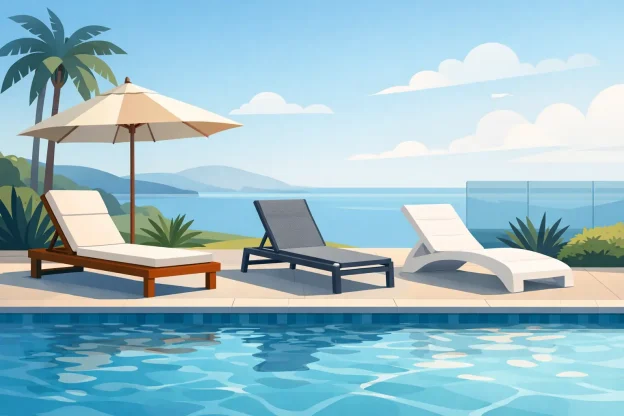
A chaise lounge beside a pool has a harder job than a chair under a covered porch. It is exposed to wet swimsuits, sunscreen, chlorine or salt residue, intense UV, shifting temperatures and frequent movement across stone or deck boards. Choosing poolside chaise lounge materials is therefore less about selecting a look from a catalogue and more about matching construction to the way you live outdoors.

For a Toronto backyard, a cottage dockside deck or a commercial pool terrace, the best choice usually comes down to three things: how exposed the setting is, how much maintenance you are prepared to do, and whether the chaise needs to coordinate with dining, lounge and shade pieces nearby. A well-made lounge should feel effortless to use, but its materials should be considered carefully before an order is placed.

Start with the whole chaise, not just the frame

A pool chaise is made up of several material decisions: the frame, the seating surface, the hardware, the wheels and, where applicable, the cushion and fabric. A beautiful frame can still disappoint if its sling stretches, its reclining mechanism corrodes or its cushion takes too long to dry after an afternoon swim.

This is why comparable-looking chaises can differ significantly in price and performance. Premium outdoor manufacturers tend to pay closer attention to welded joints, concealed hardware, powder-coat preparation, replaceable slings, drainage and the quality of the adjustable back mechanism. These details matter most after several Canadian seasons, not only on delivery day.

Aluminum: the practical premium favourite

Powder-coated aluminum is one of the most versatile poolside chaise lounge materials. It is light enough to reposition easily, does not rust like steel or iron, and can be formed into clean contemporary profiles or more traditional silhouettes. For homeowners who want a coordinated pool area with dining chairs, sectionals, tables and umbrellas, aluminum also offers exceptional breadth in finish and design options.

The quality of the finish matters. Look for furniture made with substantial aluminum extrusions or tubing, carefully welded joins and a durable multi-stage powder-coat process. Lower-quality pieces can show wear at joints, on arm edges or where chaises are repeatedly stacked and moved. Quality glides and non-marking wheels are equally worthwhile on porcelain tile, composite decking and natural stone.

Aluminum is particularly well suited to a sunny, open pool deck because it is low-maintenance. A gentle wash with mild soap and water will remove sunscreen film, airborne grime and pool chemicals. It can become hot in direct sun, however, especially in darker finishes. A sling or cushion softens that experience, while a parasol or cantilevered umbrella adds welcome shade without compromising the furniture selection.

Aluminum sling chaises

An aluminum chaise with a vinyl-coated polyester or acrylic mesh sling is often the easiest option for daily pool use. Water drains quickly, there is no loose cushion to store, and the taut support feels cool and comfortable in warm weather. Slings are available in refined neutral tones and textured weaves, so practical does not have to mean basic.

The trade-off is that sling comfort is firmer than a deep cushion, and the fabric should be specified with the same care as upholstery. Better sling fabrics resist fading and retain tension longer. In many premium designs, a worn sling can be replaced, extending the useful life of an otherwise excellent frame.

Teak: natural warmth with a maintenance decision

Teak brings a warmth that metal and resin cannot quite replicate. Its natural oils help it withstand moisture, and its dense grain makes it a respected choice around pools, gardens and waterfront cottages. A teak chaise is especially compelling where the landscape is soft, architectural materials are natural, or the goal is a more relaxed resort character.

Teak is not maintenance-free, though it is highly durable. Left untreated, it will gradually weather from honey brown to a silvery grey. Many owners appreciate that patina; others prefer periodic cleaning and treatment to preserve a warmer tone. Neither approach is wrong, but the decision should be made before buying rather than after the first season.

Near a chlorinated or saltwater pool, rinse teak periodically to remove residue, and do not allow wet cushions, planters or pool toys to trap moisture against the wood. Teak also has more visual and physical weight than aluminum. That can be an advantage in a windy waterfront setting, but it may be less convenient for a condo terrace where furniture is moved often.

Teak with cushions

A cushioned teak chaise delivers the most luxurious lounging experience of the common material combinations. It suits homeowners who see the poolside as an outdoor room rather than a place for quick drying-off. Choose performance fabric with good colour retention, a breathable cushion construction and covers or storage arrangements that fit your routine.

Even premium outdoor cushions should not be treated as permanently weatherproof. They handle rain far better than indoor upholstery, but they will last longer and stay fresher when stood upright to drain, brought in for prolonged wet weather, or protected during the off-season.

Resin wicker: comfortable, tailored and dependent on quality

All-weather resin wicker offers a woven, residential feel with generous cushion comfort. It works beautifully around formal pools and landscaped gardens, particularly when a chaise needs to relate to wicker club chairs, sofas or dining furniture. The key distinction is between outdoor-grade high-density polyethylene wicker and less durable synthetic weaves that may become brittle, fade or unravel under sustained UV exposure.

A strong aluminum frame beneath the weave is the preferred construction for most poolside applications. Inspect the weave density, the way it is finished around arms and edges, and whether the cushions are tailored to allow water to shed and air to circulate. Loose, overly thick cushions may look inviting in a showroom but can be cumbersome after a rainstorm.

Resin wicker requires routine cleaning in the weave, especially around a pool where leaves, dust and sunscreen residue settle into texture. It is also bulkier than a slim sling chaise. That makes it an excellent choice for a spacious backyard retreat, but often less efficient where several loungers must fit along a narrow pool coping or compact condo amenity deck.

Marine-grade polymer: exceptional around water

Marine-grade polymer, often called HDPE lumber, is a sensible option for cottages, saltwater settings and commercial environments where furniture receives hard use. It will not rot, splinter or rust, and its solid, substantial feel helps it stay put in windy locations. Many designs use colour-through material, which means minor surface marks are less obvious than they would be on painted furniture.

This material is heavier than aluminum, and its appearance is more casual and architectural than slender metal or natural teak. It can be exactly right for a lakeside setting or high-traffic club pool, but it may feel visually heavy on a small urban terrace. Confirm that the chaise has a comfortable reclining mechanism and quality wheels, since the material’s weight makes easy movement especially valuable.

Steel and iron: beautiful, but choose the setting carefully

Steel and wrought iron chaises can provide a level of visual presence that lighter materials do not. They suit traditional gardens, established properties and hospitality settings with a classic design direction. Their weight is useful in exposed areas, and well-engineered pieces can last for decades.

The consideration is corrosion management. Even a high-quality finish can be compromised by chips, scratches and constant exposure to moisture or pool chemicals. These materials are best for owners willing to inspect finishes, touch up small areas promptly and cover or store furniture conscientiously through winter. For a high-splash pool edge, aluminum is generally the lower-maintenance choice.

Match comfort to the way the pool is used

A family pool needs different furniture than a quiet adult retreat. If children and guests are in and out of the water all day, quick-drying sling chaises are usually the most forgiving. If the space is designed for long lunches, reading and evening entertaining, cushioned aluminum, teak or wicker loungers may be worth the added care.

Think about spacing as well. Wheels, stackability and the footprint of the reclined back determine how comfortably people can move around the pool. For commercial projects, replaceable components, easy-clean surfaces and weight capacity should carry as much importance as colour and silhouette.

At Deck, Home & Patio, material samples, finish options and fabric selections can be reviewed together so the chaise is considered in the context of the entire project. That is particularly helpful when pool coping, deck colour, umbrella fabric and adjacent furniture all need to feel intentional rather than assembled over time.

The most satisfying poolside chaise is the one you will use without hesitation: comfortable when you come out of the water, appropriate for the exposure it receives, and built to look at home in your outdoor space for many seasons.