
Tag Archives: outdoor furniture

Commercial Hospitality Furniture That Performs

Commercial Hospitality Furniture That Performs

A busy patio tells the truth about furniture quickly. Chairs get dragged across pavers, tabletops collect spills, cushions are moved from sun to shade, and staff need to reset the room without a second thought. Commercial hospitality furniture has to look considered on opening day, but its real value is how it performs through service after service, season after season.

For restaurants, hotels, bistros, golf clubs and other high-traffic spaces, the right selection is rarely about choosing the most expensive chair or the trendiest finish. It is about matching the furniture to the operation: the number of guests, the style of service, the local climate, storage realities, cleaning routines and the atmosphere guests should remember.

Start With the Guest Experience and the Service Flow

A hospitality setting can have beautiful furniture and still feel uncomfortable if the layout works against the way people use it. A compact bistro patio needs chairs that tuck neatly under tables and allow staff to move between settings. A hotel pool deck may need adjustable chaise loungers, side tables and deep seating that encourages guests to stay longer. A golf clubhouse terrace often calls for flexible dining and lounge zones that can shift from a casual afternoon to a private event.

Before looking at a frame finish or fabric swatch, establish what the space must accomplish. Consider guest capacity, turnover expectations, accessibility, table service routes, views, sun exposure and whether the furniture will remain outdoors year-round. These practical details narrow the field quickly and prevent a costly choice that looks right in a catalogue but does not support daily operations.

Comfort also needs to suit the intended visit. Quick-service seating can be supportive and efficient without inviting guests to linger for hours. Conversely, resort and rooftop lounge furniture should feel generous enough for a long afternoon. Seat height, arm placement, cushion depth and table proportions all influence that experience.

What Commercial Hospitality Furniture Must Withstand

Residential-grade outdoor furniture can be excellent for a private deck or cottage, but commercial use raises the standard. Repetition is the difference. One family may use a dining chair a few times each week. In a restaurant, the same chair may be handled dozens of times a day, by guests and staff with different habits and expectations.

Frame construction is the first consideration. Commercial aluminium furniture is popular because it is relatively light, corrosion-resistant and available in many designs, from clean-lined contemporary seating to traditional cast pieces. The quality of the welds, the thickness of the material and the durability of the powder-coated finish matter as much as the silhouette. In coastal conditions or locations exposed to road salt, material selection deserves even closer attention.

Teak offers warmth and a premium natural character, particularly for hotel terraces, clubs and refined dining settings. It can weather gracefully when left untreated, or it can be maintained to preserve a more consistent golden tone. The trade-off is maintenance planning. Teak is not a set-it-and-forget-it material if the goal is a uniform appearance across a large installation.

Woven resin, sling and marine-grade polymer components can also be highly practical choices. Quality outdoor weaves provide visual texture while standing up well to moisture and regular cleaning. Sling seating is often an efficient option around pools, on café patios and in high-turnover areas because it dries quickly and requires no loose cushion management. The right application depends on the desired level of comfort, visual direction and operational demands.

Choose Materials for Canadian Conditions

Toronto and Southern Ontario patios experience more than summer sunshine. Furniture may face heavy rain, humidity, pollen, abrupt temperature changes and winter storage requirements. A well-designed commercial project accounts for every part of that cycle.

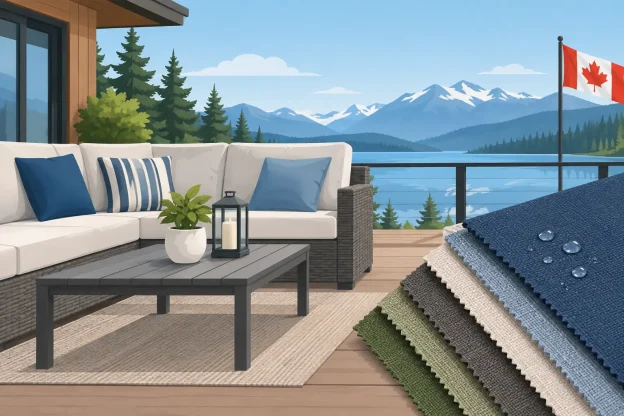
For outdoor cushions, look beyond colour. Performance fabrics should resist fading, moisture and staining while still feeling appropriate for the property. Lighter fabrics can elevate a resort-like setting, but they may require more frequent attention in a bustling food-and-beverage environment. Darker tones are generally forgiving, though they can become noticeably hotter in direct sun. A layered palette with durable neutrals and replaceable accent cushions often gives operators more flexibility over time.

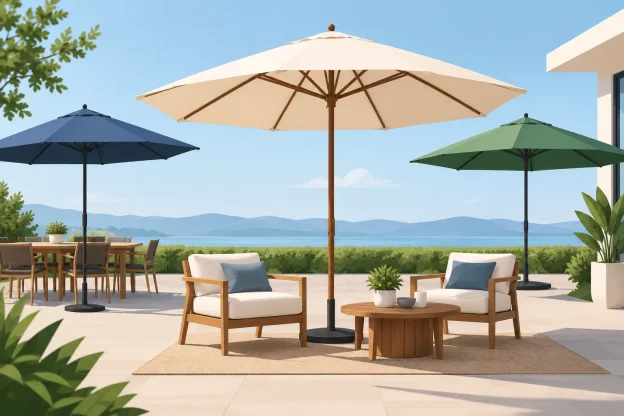
Umbrellas and cantilevers deserve the same scrutiny as seating. Shade structures must suit the wind conditions, table layouts and operating procedures of the space. An umbrella that is too small leaves guests exposed. One that is too large or poorly positioned can obstruct service routes, signage or sightlines. Commercial-grade bases, appropriate anchoring and a clear closing protocol are essential, especially for rooftop and waterfront locations.

When winter storage is not available, invest in materials and finishes intended for extended outdoor exposure, then develop a realistic seasonal care plan. Protective covers can help when properly fitted and used on clean, dry furniture, but they are not a substitute for sound construction or regular inspection.

Plan for Cleaning, Replacement and Reconfiguration

Hospitality furniture should make staff members’ jobs easier. That may mean stackable dining chairs for fast patio resets, tables with stable adjustable glides for uneven surfaces, or modular lounge pieces that can be reconfigured for events. Furniture that is awkward to lift, difficult to clean or prone to wobbling creates friction every day.

It is also wise to plan beyond the initial order. Ordering a few extra chairs, replacement slings, cushion covers or touch-up materials can protect a cohesive look when an item is damaged later. Collection availability matters. A lower initial price is not always the better value if the product cannot be matched or replenished when the business expands, refreshes its patio or needs a quick replacement.

For properties with multiple areas, standardizing selected frame finishes can simplify future purchasing while allowing each zone to retain its own character. A dining terrace may use tailored sling chairs in a shared finish, while a fire-table lounge area introduces cushioned club seating in complementary fabrics. The result feels designed rather than duplicated.

Balance Brand Character With Commercial Practicality

Guests notice when a patio feels like an afterthought. Furniture helps establish whether a restaurant is relaxed and sociable, polished and formal, coastal and casual, or distinctly contemporary. Yet a commercial setting should not be designed as though nobody will ever move a chair, drop a drink or arrive with wet swimwear.

The strongest projects balance visual ambition with practical restraint. A dramatic dining chair may be ideal for a covered hotel terrace with attentive service and seasonal storage. The same chair may be less suitable for an exposed, high-volume patio where stackability and rapid cleaning are priorities. There is no universal best material or layout – only the best fit for the property.

This is where samples and scale planning become valuable. Frame chips, fabric swatches and tabletop finishes look different outdoors than they do under showroom lighting. Viewing them alongside existing architecture, stone, decking, planting and signage helps identify undertones before an entire order is placed. It also gives decision-makers confidence when coordinating several stakeholders, from owners and designers to operations teams.

Why a Consultation-Led Approach Saves Time

Commercial orders often involve decisions that cannot be resolved by browsing a few product images. Lead times, custom finishes, fabric availability, freight access, delivery timing and assembly needs should be addressed before the final selection is confirmed. A project may also require a mix of dining, lounge, bar, poolside and shade products from more than one collection.

Working with a knowledgeable furniture consultant creates a clearer path from concept to installation. At Deck, Home & Patio, commercial clients can compare premium manufacturer options, review materials and configurations, and receive support that reflects the realities of a custom-order project. The goal is not to push floor inventory. It is to help select furniture that supports the setting, the budget and the way the team will operate it.

A well-furnished hospitality space should feel effortless to guests and manageable to staff. Begin with the daily demands of the property, choose materials that can meet them, and allow enough time to make decisions that will still look and work well after the first busy season.

Outdoor Dining Sets That Suit Your Space

Outdoor Dining Sets That Suit Your Space

The right outdoor dining sets do more than provide a place to eat. They set the pace for summer breakfasts on a Toronto deck, long cottage dinners, poolside lunches and the kind of relaxed entertaining that keeps guests outdoors long after dessert. Choosing well means looking beyond the table-and-chairs photograph and considering how the furniture will feel, fit and perform in your particular space.

A premium dining set is a considered purchase. Its frame, tabletop, chair construction, cushion fabric and proportions all affect how confidently it will serve your household over many seasons. The most successful choice starts with how you actually live outside, then brings material, style and scale into alignment.

Start With the Way You Host

Before selecting a shape or finish, think about the gatherings the space needs to support. A couple who enjoys morning coffee and occasional guests has different requirements than a family that hosts Sunday lunches for eight. The same is true for a condo terrace used by two people most days but expected to accommodate friends a few times each season.

Ask whether dining is the patio’s primary purpose or one part of a larger outdoor room. If the area also needs lounge seating, a fire table, planters or a grilling zone, the dining footprint should leave room for people to move easily. A handsome table that narrows the only passage to the house will quickly feel less useful.

For regular entertaining, it is often wiser to choose a table that comfortably seats your normal group and extends when needed. Extension tables offer practical flexibility, though they do add mechanical components and may require more storage space for leaves. A fixed table can be the more elegant, uncomplicated choice where the guest count is consistent.

Size Outdoor Dining Sets for Comfortable Movement

The table dimensions are only part of the equation. Chairs need room to pull back, guests need a clear route around the table, and servers need enough space to move without asking everyone to stand up. As a general planning guideline, allow about 90 cm between the table edge and a wall, railing or planter where possible. More space is preferable on a busy entertaining patio.

Round tables encourage conversation and work beautifully in compact or square spaces because there are no corners to navigate. They are especially effective for four to six guests. Rectangular tables suit long decks and larger patios, naturally defining a dining zone while accommodating six, eight or more diners. Oval tables soften the look of a rectangle and can improve circulation at each end.

Chair width deserves attention as well. Generously scaled dining chairs with arms offer a more relaxed, linger-worthy experience, but they occupy considerably more room than slim side chairs. For a narrow balcony or urban terrace, refined armless chairs may make better use of the available area. If comfort is a priority, a combination of armchairs at the heads of a table and side chairs along the length can balance presence and capacity.

Measure the Space You Can Use

Measure finished, usable space rather than the overall deck or patio dimension. Account for steps, doors that swing outward, railings, pool access, outdoor kitchens and the path to the barbecue. On an upper-level deck or balcony, also consider delivery access, elevator dimensions and building rules before finalizing a substantial table.

A simple taped outline on the ground can be revealing. It lets you test not just where the table will sit, but where chairs will be when occupied. This step is particularly valuable when ordering custom furniture, where the ideal configuration is available but returns are not a practical substitute for proper planning.

Choose Materials for Canadian Conditions

Toronto summers can be humid and hot, while shoulder seasons bring rain, wind and pronounced temperature changes. At a cottage, exposure may be even more demanding, with stronger sun, lake moisture or limited winter storage. Material selection should reflect those realities as much as the look you want.

Powder-coated aluminum is a leading choice for many outdoor dining settings. It is relatively lightweight, corrosion-resistant and available in an extensive range of frame finishes. Quality matters here: a well-built frame and durable finish will stand up far better over time than a lightweight, thinly coated alternative. Aluminum also works well with sling seating, cushions, woven details or ceramic-style tabletops.

Teak brings natural warmth and exceptional outdoor credentials. Left untreated, it develops a soft silver-grey patina; maintained regularly, it can retain more of its original golden tone. Neither approach is wrong, but it helps to decide which appearance you prefer before buying. Teak is substantial and timeless, although it generally requires a greater initial investment and occasional care if you want a more uniform finish.

Wrought iron and cast aluminum can provide a more traditional or architectural look. They have visual weight, which is useful in exposed areas, but heavier pieces require thoughtful placement and may be less convenient to move. Stainless steel, marine-grade hardware and carefully engineered composite materials can also be excellent choices, particularly where contemporary design and low maintenance are priorities.

For tabletops, consider heat, weight and daily use. Glass can feel light and polished but needs regular cleaning. Porcelain and ceramic-style surfaces offer a refined, durable finish and often handle everyday dining beautifully. Stone tops make a strong design statement, although their weight may affect rooftop, balcony or deck considerations. Slatted aluminum and teak tops are classic, practical options with their own distinct character.

Comfort Is What Makes the Set Get Used

A dining chair can look excellent and still discourage a second cup of coffee. Seat depth, back angle, arm height and cushion support all matter, especially for meals that turn into evenings. Whenever possible, sit in comparable pieces and give yourself time to assess the experience rather than making a decision based on appearance alone.

Sling chairs are supportive, quick-drying and straightforward to maintain. They are well suited to pool areas, uncovered patios and households that favour a clean-lined look. Cushioned dining chairs introduce a more residential, tailored feel and can make an outdoor dining area feel as inviting as an interior room. The trade-off is that cushions need appropriate fabric selection, seasonal care and dry storage during the off-season.

Premium outdoor fabrics are designed to resist fading and manage moisture, but no fabric is entirely maintenance-free. Light colours can be beautifully fresh in a shaded setting, while darker or textured fabrics may be more forgiving around children, pets and frequent meals. A knowledgeable retailer can help coordinate fabrics with frame finishes and nearby lounge furniture without making the full space feel overly matched.

Build a Cohesive Patio, Not a Matching Catalogue Page

Outdoor furniture does not need to come from one collection to feel intentional. In fact, mixing complementary materials can give a deck or garden a more personal, established appearance. A teak dining table may pair well with tailored aluminum chairs. A dark metal frame can anchor pale cushions, stone pavers and warm wood accents.

The key is to repeat a few visual cues: perhaps the same warm metal tone, a shared fabric family or a consistent level of formality. Consider the view from inside too. Large patio doors often make the outdoor dining area part of the home’s interior sightline, so the furniture should feel connected to adjacent rooms rather than like an afterthought.

Umbrellas and shade structures deserve early consideration. A centre-pole umbrella requires a compatible table opening and adequate base weight. A cantilever umbrella can create flexible shade without interrupting the tabletop, but its footprint and rotation clearance must be planned carefully. If dining will happen regularly in strong sun, shade is not an accessory – it is part of the comfort plan.

Custom Ordering Rewards Careful Decisions

Custom-order outdoor furniture opens up far more than a floor display can show. Frame colours, fabrics, table sizes, cushion details and seating configurations can be selected for the project instead of accepted as a compromise. That freedom is valuable, but it also makes early planning important, especially when furnishing for a specific season or event.

Review lead times before committing to a timeline, and confirm every practical detail in the quotation: quantities, finishes, fabrics, delivery access and any assembly requirements. For hospitality spaces, commercial-grade construction, stackability, cleanability and replacement availability may matter as much as appearance. A restaurant terrace has different demands than a private garden, even when the design brief looks similar.

At Deck, Home & Patio, the consultation process is designed to make those decisions clearer. Comparing materials, samples and configurations with a furniture specialist can prevent expensive sizing errors and help you identify the dining set that genuinely suits the property, not simply the one that looked best online.

The best outdoor dining area feels easy once it is in place: enough room to pull up a chair, enough comfort to stay awhile, and materials chosen with confidence for the seasons ahead. Start with your space and your habits, then let the furniture earn its place at every meal.

Outdoor Daybed Buying Guide for Canadian Patios

Outdoor Daybed Buying Guide for Canadian Patios

A daybed can become the most requested seat in the garden – and the most disappointing purchase if its footprint, cushion quality, or exposure to the elements was overlooked. This outdoor daybed buying guide is designed for Canadian homeowners who want a genuine place to lounge, read, nap, or gather beside the pool, rather than an oversized piece of furniture that spends most of the season under a cover.

Unlike a standard chaise lounge, an outdoor daybed is both a comfort piece and a visual anchor. It needs to suit the scale of the patio, the way you entertain, and the conditions it will face from May through October. For a Toronto terrace, cottage dockside, covered deck, or poolside retreat, the right choice comes down to a few decisions best made before fabric and finish selections begin.

Start with how the daybed will be used

The word “daybed” covers several very different designs. A round, canopy-covered model creates a private retreat for one or two people. A rectangular double chaise offers a more open, resort-style feel. Modular lounge pieces can form a daybed while retaining the flexibility to separate into seating when guests arrive.

Consider who will use it most often. If it is primarily for quiet afternoon lounging, deep cushions, an adjustable back, and shade may matter more than having a large entertaining surface. If it will sit beside a pool and serve a family or frequent guests, a low-maintenance frame and easily cleaned performance fabric deserve priority. For a condo balcony, a smaller two-person daybed or adaptable sectional configuration may deliver more value than a large circular design that consumes the entire terrace.

Privacy is another practical consideration. A high-backed or hooded daybed can feel wonderfully sheltered in an open garden, but it may block a prized view of the water or make a compact patio feel enclosed. There is no universal best style. The setting should lead the decision.

Outdoor daybed buying guide: measure more than the frame

Daybeds often look manageable in a showroom or catalogue because their circular and curved forms soften their apparent size. At home, they require considerable real estate. Measure the intended area, then mark the full footprint on the deck or patio with painter’s tape. Include side tables, circulation space, and the clearance needed to pull back a canopy, open curtains, or adjust reclining backs.

A daybed should not force people to squeeze past it. As a working guideline, allow at least 76 cm to 91 cm of comfortable passage around the areas people will walk through. More may be needed around a pool, dining area, grill, or door. On a balcony, verify building rules, elevator dimensions, and access routes before ordering. A piece that fits the terrace on paper still needs to make it through the building.

Height matters as well. A low-profile design may create a relaxed, contemporary look, yet it can be harder for some guests to rise from. Raised daybeds can feel more formal and offer useful visual definition beside a pool, but they may be exposed to stronger wind. If the product includes a canopy, confirm its overall height against pergolas, roof overhangs, trees, and condo balcony ceilings.

Plan the view from indoors

Outdoor furniture is part of the interior view for much of the year. Stand inside the kitchen, family room, or bedroom that faces the patio and consider what the daybed will conceal. A tall canopy can add a sense of destination at the far end of a yard. Positioned directly in front of a key window, however, it can interrupt sightlines and reduce natural light.

Choose a frame for your exposure, not just your style

Premium outdoor daybeds are available in materials that each bring a different character and maintenance profile. The right one depends heavily on sun, moisture, salt exposure, wind, and how much seasonal care you are prepared to provide.

Powder-coated aluminum is a practical choice for many GTA patios. It is comparatively light, corrosion-resistant, and available in refined frame colours from soft neutrals to darker architectural tones. Quality matters: better finishes and construction will stand up more confidently to repeated seasonal use and temperature changes.

Outdoor wicker, usually woven from high-density synthetic fibre over an aluminum frame, creates texture and a relaxed resort look. It can be an excellent choice for covered patios and pool areas, but inspect the weave quality and ask how the material performs under prolonged direct sun. Cheaper woven products can become brittle or lose their colour over time.

Teak brings warmth that few other materials can match. It suits contemporary gardens, classic cottage settings, and properties where outdoor furniture is intended to develop a natural silver-grey patina. Teak is substantial and durable, though it is heavier than aluminum and requires realistic expectations. It will weather outdoors, and preserving its original honey tone requires ongoing cleaning and treatment.

Wrought iron, steel, and cast aluminum can provide a more traditional or sculptural presence. Their weight can be beneficial in windy locations, but protective finishes, drainage points, and proper off-season care become especially relevant. For waterfront properties, discuss the specific exposure conditions before choosing any metal frame.

Cushions determine whether it feels luxurious

A generous-looking daybed is not automatically a comfortable one. Ask about cushion construction, foam density, fibre wrap, drainage, and the fabric’s performance rating. Outdoor cushions must balance comfort with the ability to dry after rain or morning dew.

Quick-drying foam and well-designed cushion drainage are valuable for exposed settings, especially beside pools. They do not eliminate the need to bring cushions under cover during extended rain, but they can reduce the time a daybed remains unusable after a shower. Thick, plush cushions feel inviting, yet they also hold more moisture if their filling and covers are not designed for outdoor use.

Fabric selection is where custom ordering becomes particularly worthwhile. Solution-dyed acrylic and comparable performance textiles are made to resist fading, staining, and mildew when properly cared for. Lighter colours stay cooler in direct sun and can brighten a shaded deck, although they may show sunscreen, pollen, and pet marks more readily. Darker fabrics conceal everyday marks but absorb more heat. Textured neutrals are often a sensible middle ground for busy homes and cottages.

Request fabric samples and view them outdoors at different times of day. A grey that feels warm in a showroom may read blue against limestone, cedar, or a pool surround. This small step helps create a coordinated result with existing dining furniture, umbrellas, planters, and architectural finishes.

Think carefully about canopies, curtains, and wind

A canopy changes the experience of a daybed. It can provide welcome shade, reduce glare, and make a poolside space feel more private. It also introduces moving parts, additional fabric, and wind considerations.

Fixed canopies offer a strong architectural silhouette but need the right location. Retractable tops provide flexibility when you want sun in the morning and shade later in the day. Curtains can soften the design and offer privacy, though they need to be secured or removed in windy weather. On an exposed rooftop or lakeside property, a simpler open daybed may be the more practical long-term choice.

Do not assume a canopy is a substitute for an umbrella or pergola system. The shade coverage may be limited by the sun’s angle, and some canopies are intended for light shade rather than all-day weather protection. Ask how the mechanism operates, what should be removed during storms, and whether replacement fabric is available.

Factor in delivery, storage, and seasonal care

Large outdoor furniture is an investment that benefits from a plan beyond installation day. Before ordering, confirm delivery access, assembly requirements, and whether the daybed can be moved if you redesign the space later. This is particularly relevant for narrow side yards, urban townhomes, upper-level decks, and condominiums.

For Canadian winters, cushions should generally be stored in a dry, ventilated area rather than left outdoors beneath a cover. Frames benefit from a gentle cleaning before storage or covering. Covers should fit properly and allow airflow; a tightly wrapped, non-breathable cover can trap moisture against the furniture.

If a daybed will remain outdoors, choose a location with good drainage and avoid placing legs where they sit in standing water. Keep branches, wet leaves, and pool chemicals from accumulating on the frame or cushions. These habits are modest, but they protect the appearance and lifespan of premium furniture.

Make custom choices with the full space in mind

The strongest outdoor rooms rarely come from selecting one impressive statement piece in isolation. Frame finish, fabric colour, cushion piping, canopy textile, and nearby pieces should work together without becoming overly matched. A daybed can complement a teak dining set with a warm neutral fabric, or balance a dark aluminum sectional with a lighter woven frame and tailored cushions.

Deck, Home & Patio can help narrow those choices across leading outdoor furniture collections, comparing material samples and configurations against the realities of your space. That consultation is especially useful when lead times, access constraints, custom fabrics, or a larger poolside or cottage project are involved.

A well-chosen daybed should invite use without demanding attention. Measure honestly, select materials for the actual exposure, and choose cushions and shade features that suit your routine. The result is not simply a beautiful patio feature, but a place you will look forward to using every warm day it is available.

Hotel Outdoor Furniture Durability That Lasts

Hotel Outdoor Furniture Durability That Lasts

A hotel terrace can look immaculate on opening day and tired by mid-season if the furniture was selected for appearance alone. Hotel outdoor furniture durability is not simply about choosing the heaviest chair or the most expensive frame. It is about matching materials, construction, finishes, cushions, and layouts to the way guests actually use the space – repeatedly, often carelessly, and in weather that can change quickly.

For hotels, resorts, golf clubs, and restaurants, outdoor furniture is part of the guest experience and part of daily operations. A loose dining chair, faded chaise cushion, or peeling table base affects the impression of the property long before it reaches the maintenance schedule. The right specification protects both the design intent and the investment.

What Hotel Outdoor Furniture Durability Really Means

Durability in a hospitality setting has several layers. Furniture must support frequent use, tolerate cleaning, remain stable on varied surfaces, and continue to look appropriate after sun, rain, spills, sunscreen, and commercial handling. In Canada, it must also contend with freeze-thaw cycles, wind, prolonged moisture, and seasonal storage.

A frame can be structurally sound yet still be a poor hospitality choice if its finish chalks, its cushions retain water, or replacement components are difficult to source. Conversely, a well-specified collection can deliver many productive seasons because it has serviceable parts, commercial-grade finishes, and materials suited to its location.

This is why a hotel pool deck should not necessarily receive the same furniture as a covered rooftop lounge or a sheltered courtyard. Each area has its own exposure, traffic level, maintenance capacity, and visual requirements.

Start With the Frame Material

The frame is the foundation of hotel outdoor furniture durability, but the material decision should be made with the setting in mind rather than by price alone.

Powder-Coated Aluminum

Commercial-grade aluminum is often the most versatile option for hotel patios, pool decks, dining terraces, and rooftop spaces. It is relatively light for staff to move, does not rust like steel, and can be finished in a broad range of colours and textures. Quality matters greatly: look for substantial wall thickness, clean welds, properly prepared surfaces, and a high-performance powder coat.

Aluminum is particularly practical where furniture needs to be stacked, rearranged, or brought indoors regularly. It also works well beside pools, although chlorine residue should still be rinsed away as part of routine care. Lightweight pieces may require planning on exposed rooftops, where wind and guest movement can make stability a priority.

Cast Aluminum and Cast Metal

Cast aluminum offers visual presence and weight, making it a strong fit for traditional hotel gardens, club terraces, and permanent dining areas. Decorative forms, generous proportions, and substantial bases can create a more established look than slimmer contemporary aluminum profiles.

The trade-off is mobility. Heavy tables and chairs are less convenient for rapid resets, stacking, or seasonal relocation. They are best suited to areas where the layout is relatively fixed and staff do not need to move the furniture constantly.

Teak and Other Premium Woods

Teak remains a preferred choice for luxury hospitality settings because it has natural oils, a dense grain, and an appearance that becomes more characterful with age. Properly constructed teak furniture can perform exceptionally well outdoors, including in Canadian cottage and waterfront environments.

However, teak is not maintenance-free. Left untreated, it will weather to a silver-grey patina. Some properties value that look; others prefer to maintain the original golden tone. The decision should be made before ordering so the operations team understands the required care. Well-designed teak also needs strong joinery and appropriate hardware, because repeated commercial use tests more than the wood itself.

Woven Resin and Synthetic Fibre

High-quality all-weather wicker can bring softness and comfort to lounge environments while standing up well to moisture and UV exposure. It is often used for deep seating, daybeds, and resort-style poolside furniture. The key distinction is between commercial-grade fibres woven over durable frames and lower-grade materials that become brittle, fade unevenly, or sag.

Inspect the weave density, frame beneath the fibre, and cushion support system. A beautiful woven lounge chair is only a durable hotel piece when it can handle guests sitting on its arms, staff moving it across hard surfaces, and frequent cushion removal.

Cushions and Fabrics Carry Much of the Workload

Outdoor upholstery is usually where hospitality furniture shows wear first. Guests do not treat a poolside chaise or lounge chair as carefully as they would furniture at home. Wet swimsuits, sunscreen, food, drinks, and bags all put pressure on cushions and fabrics.

Specify solution-dyed acrylic or another proven performance fabric with strong UV resistance, colour retention, and cleanability. The fabric should be matched with quick-drying cushion construction, breathable mesh bottoms, and drainage that allows water to escape. Dense foam that holds water can create long drying times, odours, and unnecessary stress for housekeeping.

Colour deserves practical consideration. Pale neutrals can look refined but may require more frequent attention around food service and pool areas. Dark fabrics may show sunscreen residue or become hot in direct sun. Mid-tones, textured weaves, and coordinated replacement cushion plans often provide a more forgiving balance without compromising the design scheme.

Design Details That Determine Service Life

The details guests rarely notice are often the details that determine whether furniture remains in service. Look for welded rather than lightly fastened frame construction where appropriate, stainless steel or marine-grade hardware, adjustable glides, reinforced sling rails, and replaceable feet. On stone, porcelain tile, or wood decking, glides protect both the furniture and the finished surface.

Stackability can be valuable, but only if the pieces are designed to stack without damaging the finish or fabric. Dining chairs that are easy to stack may reduce labour at closing, while stackable chaises simplify pool-deck resets. For a property with little storage, however, a slimmer chair is not automatically the better choice if it compromises guest comfort or stability.

Tables deserve the same scrutiny. A hotel table base should remain steady when guests lean on it, tolerate repeated movement, and accommodate the tabletop material. Porcelain, stone, glass, teak, and metal each create a different look and maintenance profile. In windy spaces, table weight and umbrella compatibility should be addressed together rather than as separate purchasing decisions.

Specify by Zone, Not by One Property-Wide Formula

A common mistake is selecting one collection for every exterior area. A hotel property may have a street-facing café terrace, a protected courtyard, a rooftop, a pool deck, private balconies, and an event lawn. These zones ask different things of the furniture.

Poolside pieces need resistance to moisture and chemical residue, along with easy cleaning and enough weight to feel secure. Rooftop furniture must account for wind exposure, access routes, and safe placement. Balcony furniture often needs compact proportions, while dining terraces need chairs that are comfortable through a full meal and practical for staff to reposition. Event spaces benefit from flexible pieces that store efficiently and withstand frequent setup.

This zone-by-zone approach also helps with budget allocation. It can be worthwhile to invest more heavily in high-contact lounge areas while selecting simpler, durable café seating for secondary spaces. The objective is not to make every piece identical. It is to create a cohesive property while putting the right construction where it will work hardest.

Protect the Investment With a Real Maintenance Plan

Even premium commercial furniture benefits from predictable care. Staff should know how to clean frames and fabrics, how to remove sunscreen residue, where to store cushions during prolonged rain, and when to inspect glides, hardware, and umbrella mechanisms. Small actions prevent the kind of deterioration that later appears as a costly replacement project.

A practical maintenance plan usually includes routine rinsing and cleaning, seasonal tightening and inspection, prompt treatment of stains, and correct off-season storage. Furniture covers can be useful, but only when the furniture is clean and dry before covering. Trapped moisture can do more harm than a well-ventilated storage solution.

It is also wise to ask about replacement cushions, slings, glides, and spare parts during the selection stage. Hospitality furniture should be viewed as a long-term operating asset, not a one-season purchase. The ability to refresh components can extend the useful life of a collection and preserve visual consistency across the property.

A thoughtful consultation can make these decisions far clearer. Deck, Home & Patio helps hospitality buyers compare materials, finishes, fabrics, proportions, and manufacturer options against the demands of each space. The best result is furniture that welcomes guests confidently on a busy Saturday afternoon and still earns its place when the next season begins.